
Toxic Mushrooms in Columbus: A Fall Field Guide for Pet Owners (And What to Do If Your Pet Ate One)
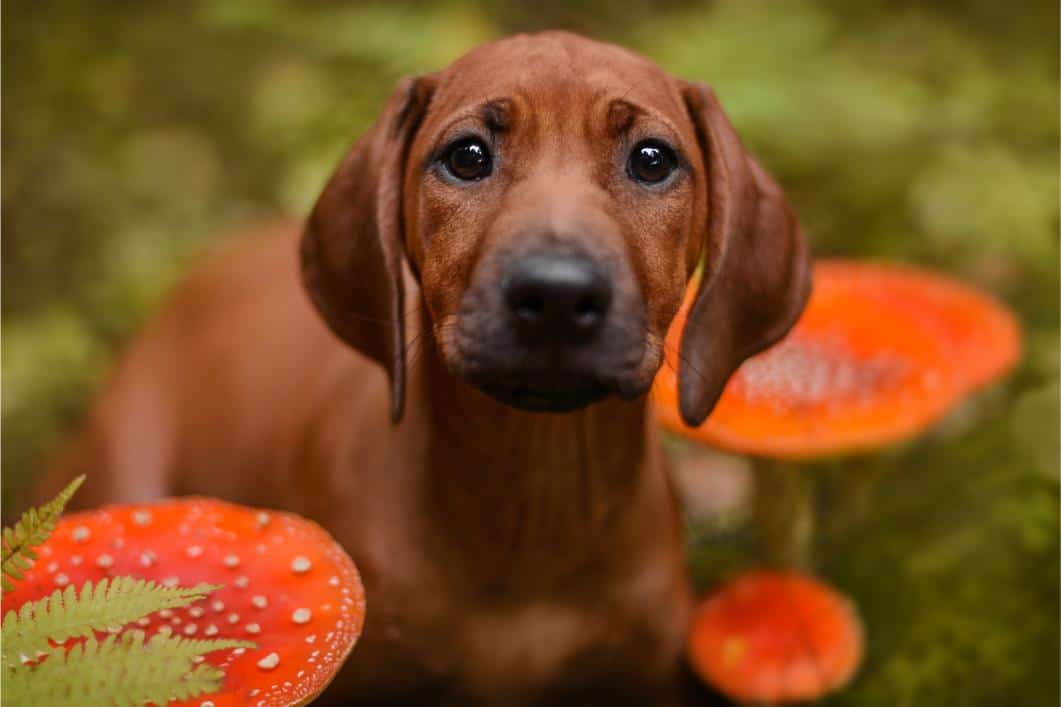
Fall in Ohio brings cooler temperatures, colorful leaves, and plenty of opportunities to enjoy the outdoors with your pets. Unfortunately, it also creates ideal conditions for mushrooms to grow in yards, parks, wooded areas, and along walking trails. While many mushrooms are harmless, others can be highly dangerous.
At Animal Care Unlimited in Columbus, Ohio, we often remind pet owners that it’s nearly impossible to identify a mushroom’s toxicity without expert knowledge, which is why any mushroom ingestion should be taken seriously.
Why Are Mushrooms Dangerous to Pets?
The dangers of toxic mushrooms to pets can vary widely depending on the species involved. Some mushrooms may cause only mild stomach upset, while others can lead to severe organ damage, neurological symptoms, or even death.
Dogs are especially at risk because they’re naturally curious and often investigate unfamiliar objects with their noses and mouths. Cats are less likely to eat mushrooms, but mushroom poisoning in dogs and cats is still a concern whenever pets have access to outdoor spaces.
One of the biggest challenges is that toxic and non-toxic mushrooms often look very similar. Even experienced foragers can struggle to identify them accurately.
Common Signs of Mushroom Poisoning
Symptoms can appear within minutes or may take several hours to develop, depending on the type of mushroom consumed.
Watch for signs such as:
- Vomiting
- Diarrhea
- Excessive drooling
- Loss of appetite
- Lethargy
- Unsteadiness or difficulty walking
- Tremors
- Seizures
- Abdominal pain
- Yellowing of the eyes or gums
Not every pet will experience the same symptoms, and some of the most dangerous mushrooms may not cause immediate signs. That’s why prompt veterinary evaluation is so important.
If you notice any of these symptoms after possible mushroom exposure, don’t wait to see if your pet improves on their own.
What Should You Do If Your Pet Ate a Mushroom?
If you suspect your pet has eaten a mushroom, treat it as an emergency.
Take the following steps right away:
- Remove your pet from the area.
- Prevent additional ingestion.
- Take photos of the mushroom.
- Collect a sample using gloves or a plastic bag.
- Contact a veterinarian immediately.
Avoid attempting home remedies or inducing vomiting unless specifically instructed by a veterinary professional. The safest approach is to seek medical guidance as quickly as possible.
When it comes to toxic mushrooms and pets, early treatment can significantly improve outcomes. Our team can evaluate your pet, determine the appropriate course of action, and begin supportive care if needed.
Fall Mushroom Safety in Columbus, Ohio
Practicing good outdoor awareness can help reduce your pet’s risk of exposure.
Consider the following precautions:
- Inspect your yard regularly for mushrooms, especially after rain.
- Remove mushrooms promptly and dispose of them safely.
- Keep dogs on a leash during walks in wooded or heavily landscaped areas.
- Supervise pets when they’re outdoors.
- Teach dogs a reliable “leave it” command.
- Prevent pets from exploring compost piles or decaying vegetation.
Because mushrooms can appear overnight and change quickly, routine yard checks are particularly important during the fall season.
When in Doubt, Call Your Veterinarian
If your pet has eaten a mushroom or is showing signs of illness after possible exposure, call Animal Care Unlimited immediately at (614) 766-2317. During normal business hours, our team can help assess the situation, provide first-aid guidance if appropriate, and prepare for your pet’s arrival so treatment can begin as quickly as possible. With experienced veterinarians and staff, advanced diagnostic capabilities, and on-site intensive care services, we’re equipped to provide prompt care.
To book an appointment or seek urgent care for a potential mushroom exposure, contact Animal Care Unlimited today. Our veterinarians and staff are Certified Fear Free® professionals committed to providing compassionate, high-quality care and helping pets feel as comfortable as possible throughout their visit.