
Pool and Lake Safety for Columbus Pets: Ear Infections, Drowning Risks, and Water Safety Tips
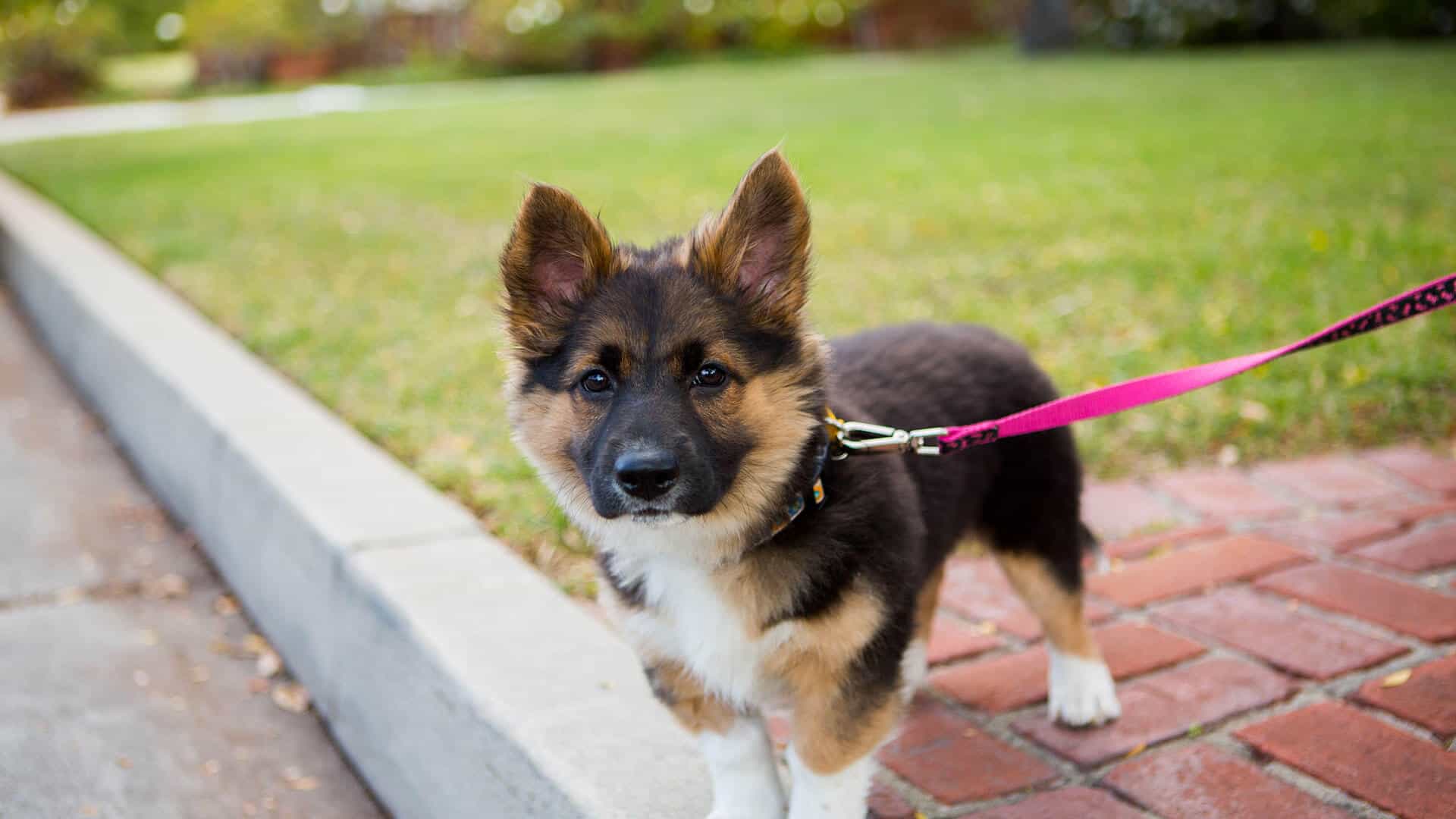
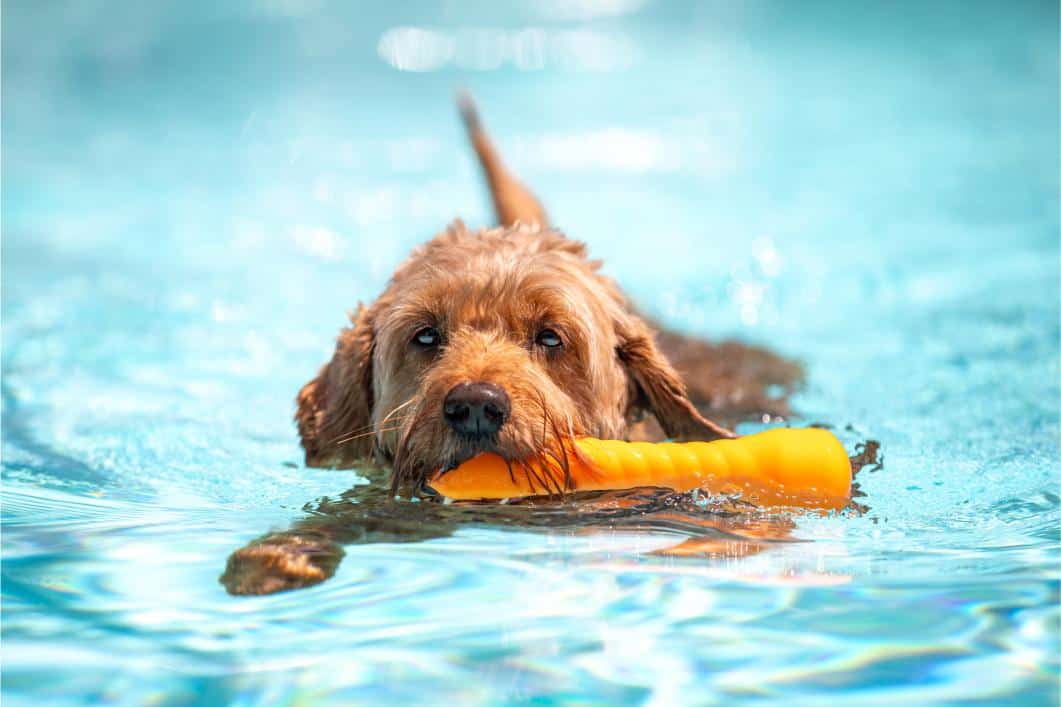
For many dogs (and possibly some thrill-seeking cats), summer playtime comes with extra splashing. Pools become personal playgrounds, lakes transform into water parks, and every dock is a launch pad into the unknown. But while swimming is fantastic exercise and enrichment, it also comes with a few hidden hazards pet parents should know about.
From ear infections to exhaustion, smart preparation can make all the difference when it comes to pet water safety in Columbus. Keep reading for important tips from our team at Animal Care Unlimited.
Not Every Dog Is a Natural Paddler
There’s a common myth that all dogs instinctively know how to swim. In reality, some paddle confidently while others sink like furry bowling balls.
Breed, body shape, age, and health all play a role. Flat-faced breeds, senior dogs, and pets with mobility issues may struggle more in the water.
For better lake safety for dogs in Ohio, always:
- Supervise your pets closely near water.
- Use canine life jackets for boating or deep-water activities.
- Introduce swimming gradually rather than assuming your dog will “figure it out.”
Dog Ear Infections After Swimming
Dog ear infections after swimming are a common warm-weather issue for active pets.
Moisture trapped inside the ear creates the perfect environment for yeast and bacteria to thrive, especially in dogs with floppy ears. After a lake day or pool session, you might notice:
- Head shaking
- Scratching at the ears
- Redness or odor
- Sensitivity when touched
Keeping Ears Healthy
To help prevent dog ear infections after swimming:
- Dry your dog’s ears gently after water activities.
- Avoid letting water sit inside the ear canal.
- Ask your veterinarian about safe ear-cleaning products.
- Resist the urge to go full cotton-swab detective in the ear canal.
Lakes Come With Extra Risks
Ohio lakes can be beautiful, but they’re not always predictable. Responsible lake safety for dogs in Ohio also means staying alert for environmental hazards like:
- Blue-green algae blooms
- Strong currents or sudden drop-offs
- Fishing hooks or sharp debris
- Bacteria or parasites in stagnant water
Drowning Risks Aren’t Always Dramatic
One of the sneakiest dangers in summer water safety is exhaustion. Dogs may continue swimming long after they’re tired because they’re excited or determined to follow their people. Make sure your dog takes frequent breaks in the shade and has plenty of fresh water to drink.
Watch for signs of exhaustion like:
- Heavy panting
- Struggling to stay afloat
- Difficulty climbing out of the water
- Weak or frantic paddling
Partnering With Your Veterinarian
If your pet develops ear irritation, coughing after swimming, vomiting, or unusual fatigue, it’s best to contact your veterinarian.
Summer water adventures should leave your dog with happy memories—not painful ears or dangerous close calls. Please contact us at (614) 766-2317 if you’d like more tips on pet water safety in Columbus or if it’s time for your pet’s wellness visit.