
Keeping Pet Birds Healthy Through an Ohio Winter: Humidity, Heat, and Light
Ohio winters mean more time indoors, shorter days, and plenty of dry, heated air. While your home may feel cozy to you, these seasonal changes can affect your bird’s health, including skin, feathers, and comfort. A few thoughtful adjustments can make pet bird winter care in Ohio much easier. At Animal Care Unlimited in Columbus, OH, we’re here to help bird owners create a healthy environment for their feathered companions throughout the year.
Keep Indoor Temperatures Comfortable and Consistent
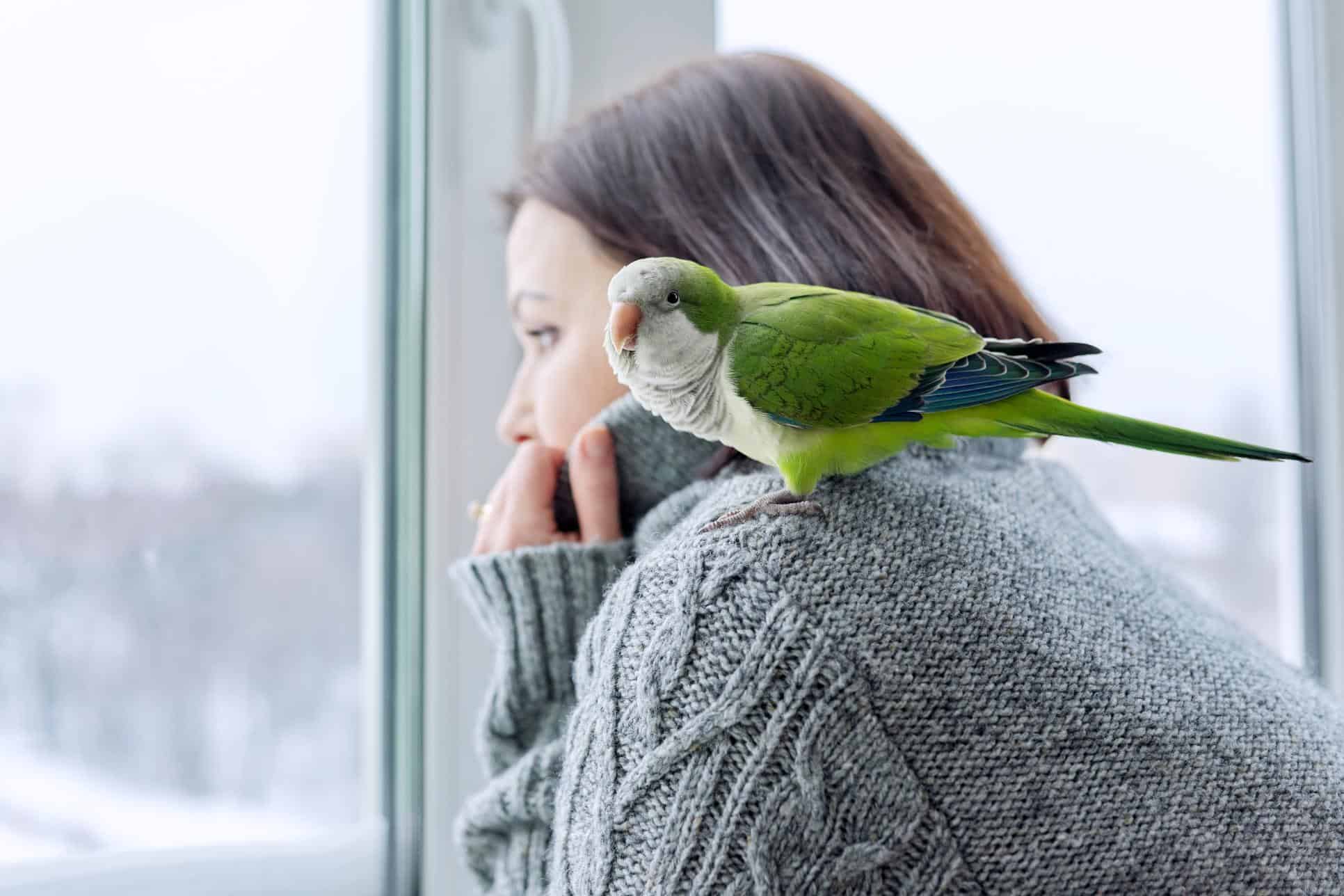
When temperatures plunge outside, bird owners often wonder how the cold may affect their pets. Whether you’re concerned about your parrot and cold weather or keeping another pet bird comfortable, you generally don’t need to turn your home into a tropical retreat.
What matters more is avoiding frequent or sudden temperature changes. Consider your bird’s cage placement and daily environment:
- Keep the cage away from exterior doors that frequently open and close
- Avoid placing your bird directly beside heating vents or other sources of constant hot or cold airflow
- Preheat your vehicle before transporting your bird on very cold days
- Cover the carrier with a towel or other cloth when moving between your home, vehicle, and veterinary office
If your bird is sick, elderly, very young, or has special health needs, ask your veterinarian whether additional warmth is appropriate.
Pay Attention to Humidity
Central heating can significantly dry out the air inside your home, so bird humidity needs in winter deserve some extra attention. Humidity of about 40% to 50% is generally considered ideal for most pet birds.
Regular bathing can also help support healthy skin and feathers when indoor air becomes dry. Depending on your bird’s species and preferences, you might provide a shallow bathing dish or gently mist your bird with clean water. Increasing humidity and offering opportunities to bathe can help keep skin from becoming excessively dry.
If you use a humidifier, keep it clean according to the manufacturer’s instructions. And because different bird species have different environmental needs, our veterinarians and staff can help you determine what’s appropriate for your particular pet.
Make Up for Shorter Winter Days
Winter in Ohio also brings noticeably shorter days. Natural light plays an important role in avian health, and sunlight coming through a closed window doesn’t provide the same ultraviolet B, or UVB, exposure as direct sunlight. During the winter months, appropriate supplemental lighting can help compensate for limited opportunities for natural sunlight.
Don’t simply place any bright or UV-producing bulb beside your bird’s cage. The type of bulb, its distance from the cage, and the length of exposure all matter. Ask your veterinarian for recommendations suited to your bird and enclosure.
Light is also closely connected to sleep. Most birds benefit from a consistent schedule with approximately 10 to 12 hours of quiet, uninterrupted sleep each night. Keeping lights or televisions on late into the evening can interfere with that natural rhythm.
Include a Winter Wellness Check
Birds often hide early signs of illness, making routine veterinary care especially important. An annual wellness exam allows your veterinarian to evaluate your bird’s overall condition, nutrition, housing, and husbandry and identify concerns that may not yet be obvious at home.
If you have questions about keeping your bird comfortable this winter or it’s time for a routine exam, our team is ready to help. Call (614) 766-2317 to book an appointment at our Fear Free Certified practice and give your bird a healthy start this winter.