
Is Your Pet’s Bad Breath a Warning Sign?
We all love the fresh, sweet, slightly stinky breath of our beloved furry family members. But what if the stinky is less slight and more overwhelming? Should we be concerned? Is it time to break out the dog or cat equivalent of mouthwash, or could something more serious be going on?
Today, the team at Animal Care Unlimited reveals everything you need to know about bad breath in pets.
The Most Common Cause of Bad Breath in Pets
Sure, it’s normal for your pet to occasionally have a super-stinky breath, especially after eating a big meal. But if that stinkiness gets an extra layer of rotten funk on top of it, something’s up. And that something is most likely some form of dental disease.
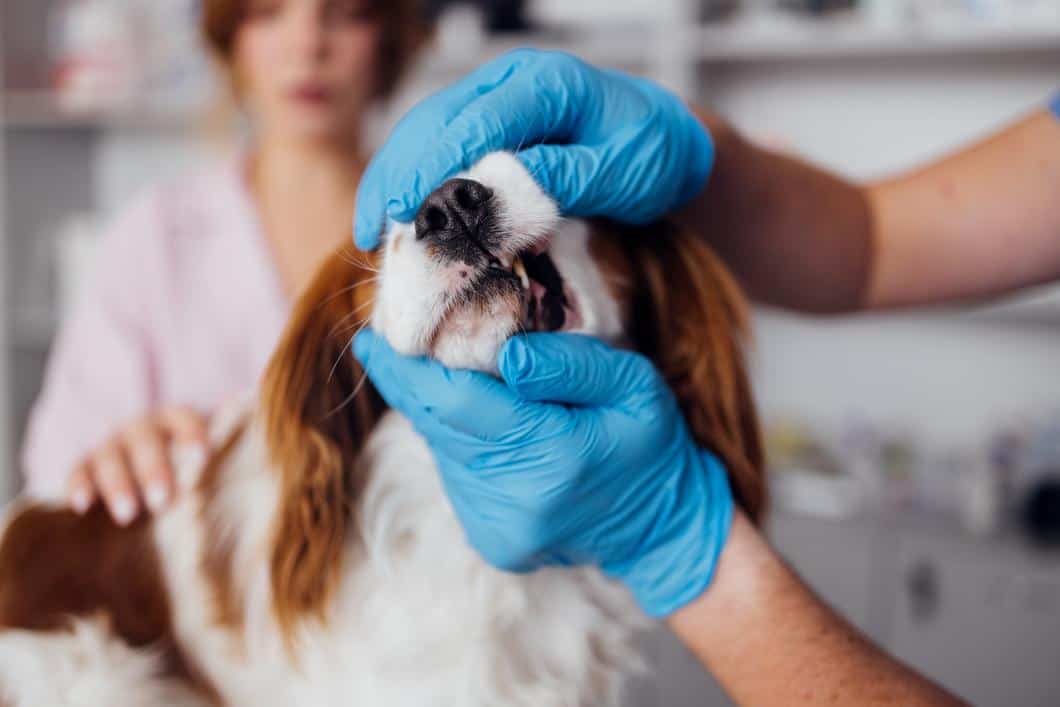
Most dogs and cats have dental disease by the time they are three years old, unfortunately. This all-too-common problem starts with the buildup of plaque on your pet’s pearly whites. Without regular brushing to get rid of the plaque, it hardens into cementlike tartar, which irritates the gums and introduces bacteria at the gumline.
Before long, gingivitis (gum inflammation) and periodontal disease develop. This is the most common cause of ongoing, bad breath in dogs and cats.
The good news is that with treatment—especially early treatment—your pup or kitty’s teeth and mouth can be returned to a more healthy state. Keep an eye out for these signs, along with foul breath:
- Red or inflamed gums
- Yellowish tartar buildup on the gumline
- Persistent drooling
- Difficulty chewing
- Pawing at the mouth (indicating distress)
Even when they’re in pain, many pets keep eating.
When Bad Breath Signals Something More Serious
Even though the majority of halitosis cases in dogs and cats are rooted in dental disease, unusual smells can sometimes point to other, underlying medical conditions.
A sweet or fruity scent on your pet’s breath could be a sign of diabetes, for instance. A breath that smells like urine could be a sign of kidney disease. Sudden, terrible odor—like dead tissue—could indicate a serious oral condition, like a tooth abscess, which is likely causing your pet immense pain and needs immediate treatment.
Keep in mind that untreated, advanced infections in your pet’s mouth can let bacteria into the bloodstream. From there, the bacteria can affect your pet’s organs, including the heart, liver, and kidneys.
So if your pup or kitty has persistent halitosis, don’t shrug it off! Bring her in to see a veterinarian.
The experienced team at Animal Care Unlimited is here to help. Call or text us today at (614) 766-2317 to schedule an appointment for your dog or cat’s halitosis.