
Why Your Cat Sleeps More in Winter
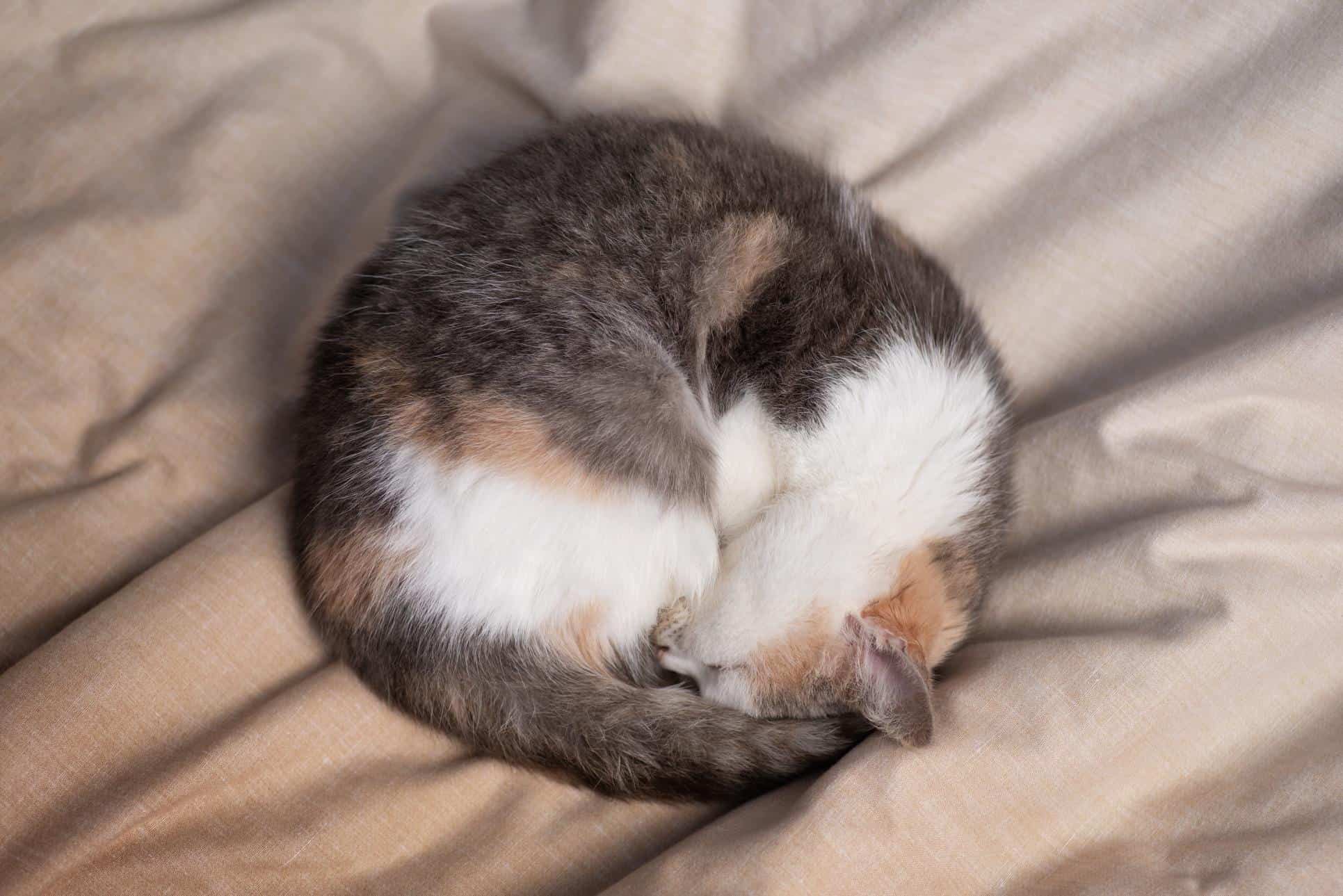
As days grow shorter and temperatures dip, you may notice your cat curling up for longer naps than usual. While it’s easy to assume they’re just being extra cuddly, there’s actually more to your cat’s winter slumber than meets the eye. Let’s explore why cats sleep more in winter, what’s normal, and when those extra-long cat naps might warrant a closer look.
Cat Winter Sleeping Habits
Cats are natural nap enthusiasts—often clocking 12 to 16 hours of sleep a day. In winter, though, you might see those numbers climb. Cooler temperatures and darker days can influence your cat’s routine, encouraging them to conserve energy by slowing down and snuggling up. Think of it as their way of “winterizing” their lifestyle.
Just like people who burrow under a blanket when it’s cold outside, cats instinctively gravitate toward warmth. A sunny windowsill, a heated bed, or even your lap becomes the perfect napping spot. These cat winter sleeping habits are part instinct, part pursuit of cozy comfort.
Do Cats Hibernate in Winter?
It may seem like your cat is hibernating, but cats don’t truly hibernate. Unlike bears or other wild animals that enter a long period of deep sleep, domestic cats remain alert and responsive, even if they’re snoozing much of the day.
Instead of hibernation, your cat is experiencing a seasonal shift. Cat winter sleeping habits, activity levels, and even appetites can change in response to shorter daylight hours and colder weather.
Cat Sleeping Patterns in Cold Weather
When it’s chilly outside, your cat may spend more time conserving warmth, especially if you have a senior pet. You might notice your feline:
- Curling up near vents, radiators, or sunny spots.
- Adding extra nap time to their already impressive schedule.
- Playing less energetically and resting more.
These behaviors are natural responses to cold weather and reduced daylight. Still, a sudden or drastic change in your cat’s sleeping patterns, especially when paired with appetite or behavior shifts, can be worth a veterinary check.
Seasonal Cat Behavior in Winter
Seasonal changes affect cats just like they affect us. The shorter days may influence their circadian rhythm, and make them feel drowsier, while the quiet coziness of winter encourages longer rest.
To keep your cat feeling their best during these chilly months, try these tips:
- Place plush beds in warm, draft-free corners.
- Use toys or climbing towers to keep their minds and bodies active.
- Keep mealtimes and play sessions on a steady schedule.
When to Check With Your Veterinarian
In most cases, a little extra sleep in winter is perfectly normal. But if your cat’s drowsiness is paired with changes in appetite, grooming, litter box use, or behavior, it may be time for a veterinary checkup.
At Animal Care Unlimited, we’re here to help you understand your pet’s needs in every season. If you have questions about cat sleeping patterns in cold weather or notice unusual changes, contact our team today at (614) 766-2317.