
Post-Winter Pet Arthritis Explained

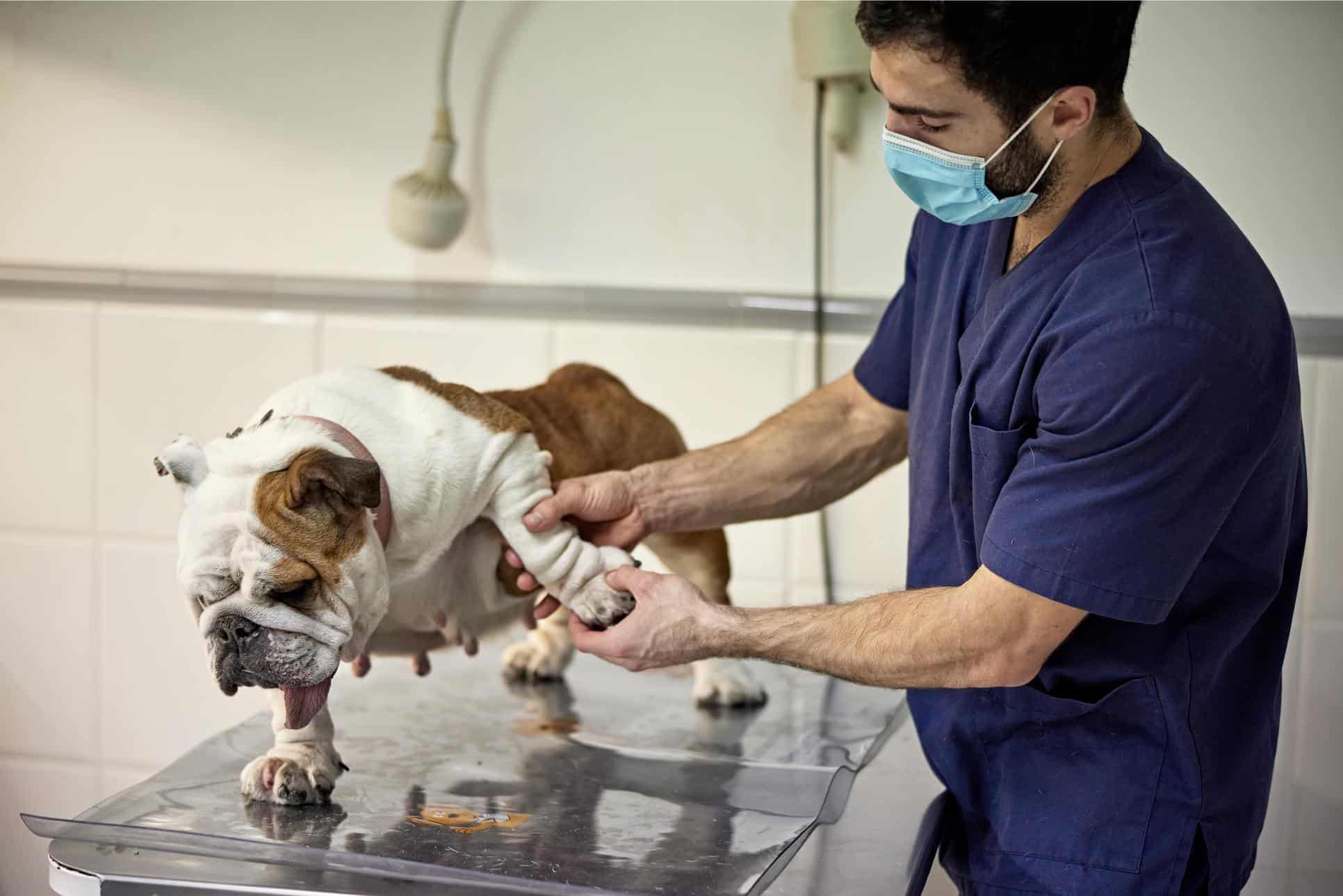
After a long winter, your pet unfurls their limbs and heads out for a run in the sweet spring air. But you notice something: your pup or kitty seems to be moving more slowly, or perhaps more stiffly.
After months of colder weather, the increased activity we all do in March can reveal discomforts that were hidden all winter long. Understanding how cold weather and activity affect your pet’s joints can help you prepare for this change.
Here’s what the team at Animal Care Unlimited in Columbus, Ohio wants you to know.
Pet Arthritis in March
Arthritis is a degenerative joint condition that can affect cats and dogs—and humans, for that matter. It happens when the cartilage that cushions the joints breaks down over time. As a result, those joints can get irritated and inflamed, leading to pain and less mobility.
Most pets will develop arthritis in their lifetime, usually as they get older. Keeping the joints moving can help them stay flexible, which can lessen the impact of arthritis. But with cold weather comes less time moving around for cats and dogs alike.
Enter stiff joints.
Which means that once March arrives with its warmer weather and your pet starts moving again, those joints might pay the price.
But this is just one potential reason for joint pain in pets during the spring.
Another reason is simply the rise in temperature and humidity levels. You know how your grandpa always complains about stiffer joints during certain weather patterns?
These changes in weather can affect pets, too.
Signs of Seasonal Arthritis in Pets
Watch for these common signs that can signal arthritis in your dog or cat:
- Stiffness after resting: especially first thing in the morning or after a nice nap
- Limping or favoring one leg: a symptom that might come and go throughout the day
- Difficulty standing up: might also affect sitting down or lying down comfortably
- Reluctance to climb: stairs, jump, or play like normal
- Changes in behavior: like unusual irritability or restlessness
- Constant licking of specific areas: like on the legs
- Changes in posture or gait: including hunched backs or shortened strides
If you notice any of these potential dog and cat arthritis spring symptoms, reach out to your vet for a spring wellness checkup. The sooner you can get your pet in, the better. Veterinary medicine offers plentiful ways to help treat and manage arthritis to improve your furry family member’s quality of life.
Managing Cat and Dog Arthritis Flare-Ups in March
Veterinary teams can perform a variety of diagnostics to help identify the cause of your pet’s stiffness and joint pain. If arthritis is indeed the culprit, there are several paths for managing the condition. These can include some, or all, of the following:
- Weight management to help lessen stress on your pet’s joints
- Implementation of a gentle exercise routine to keep muscles strong
- Supplements or prescriptions to support joint health
- Pain relief therapies and/or medications
- Home adaptations—from ramps and non-slip flooring to orthopedic bedding—to improve comfort at home
If your dog or cat has been struggling with joint pain, reach out to our experienced veterinary team at Animal Care Unlimited. We’re here to help support your pawsome pal through the rollercoaster of arthritis and joint pain, all year long.
Call us at (614) 766-2317 to schedule an appointment today.